
Our house is your house.
A historic Southern mansion in downtown Natchez, reclaimed as a gathering place. Hang a light on our Family Tree, honor a name, and help write the next chapter of this new legacy.
Come stay. Come celebrate. Come sit with us. Come reflect. Or simply support from wherever you are. There is a place for you in this story.
There is a tree on the wall.
Inside the house, painted permanently on the wall, is The Family Tree mural. Every supporter from Story Keeper and above takes a place on it.
Tap or hover any light to read who's already on the tree. Then add your own.
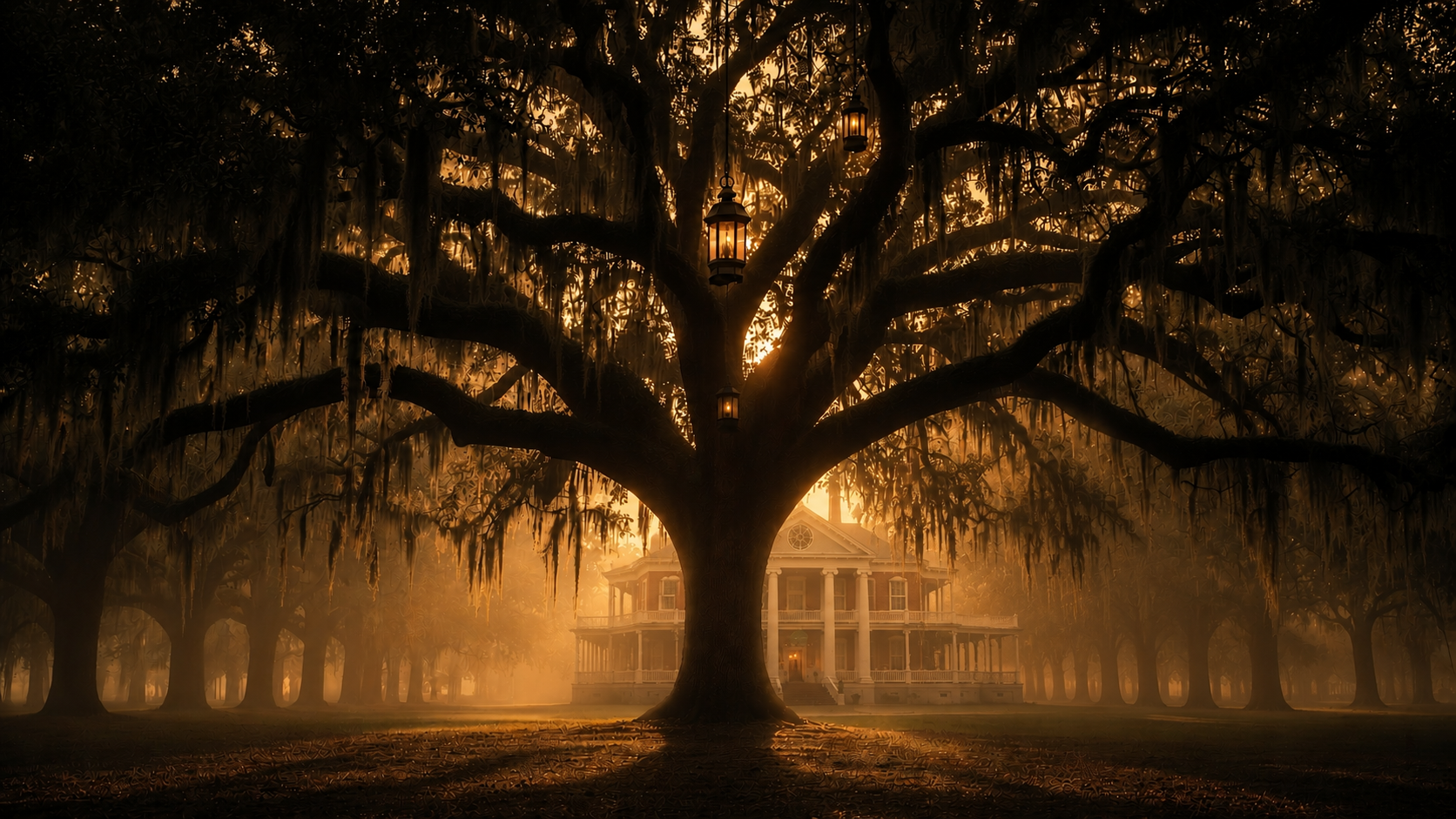
What stands here, still.
Built in 1840. Passed through merchants, ministers, soldiers, families, storms, and a century of Southern reinvention. Still standing.
The Guest House is one of the oldest surviving structures in downtown Natchez — and now believed to be the largest Black-owned antebellum mansion hotel in America. Sixteen rooms, each named for someone Natchez should never have forgotten — some honored, some named so the record stays whole. A courtyard, a kitchen, a veranda bar. A house that finally belongs to everyone it should have.
Walk the house →Natchez has more than one history.
This city was once the second-largest slave market in the antebellum South. It was also home to William Johnson — a free Black diarist; to John Roy Lynch — born enslaved, elected to Congress; to Hiram Revels — the first Black U.S. Senator; to Richard Wright, born just up the road in Roxie.
We are not building a museum. We are not erasing what happened in this house. We are naming it — room by room, page by page — because the only way to inherit a place is to know it.
Read the story →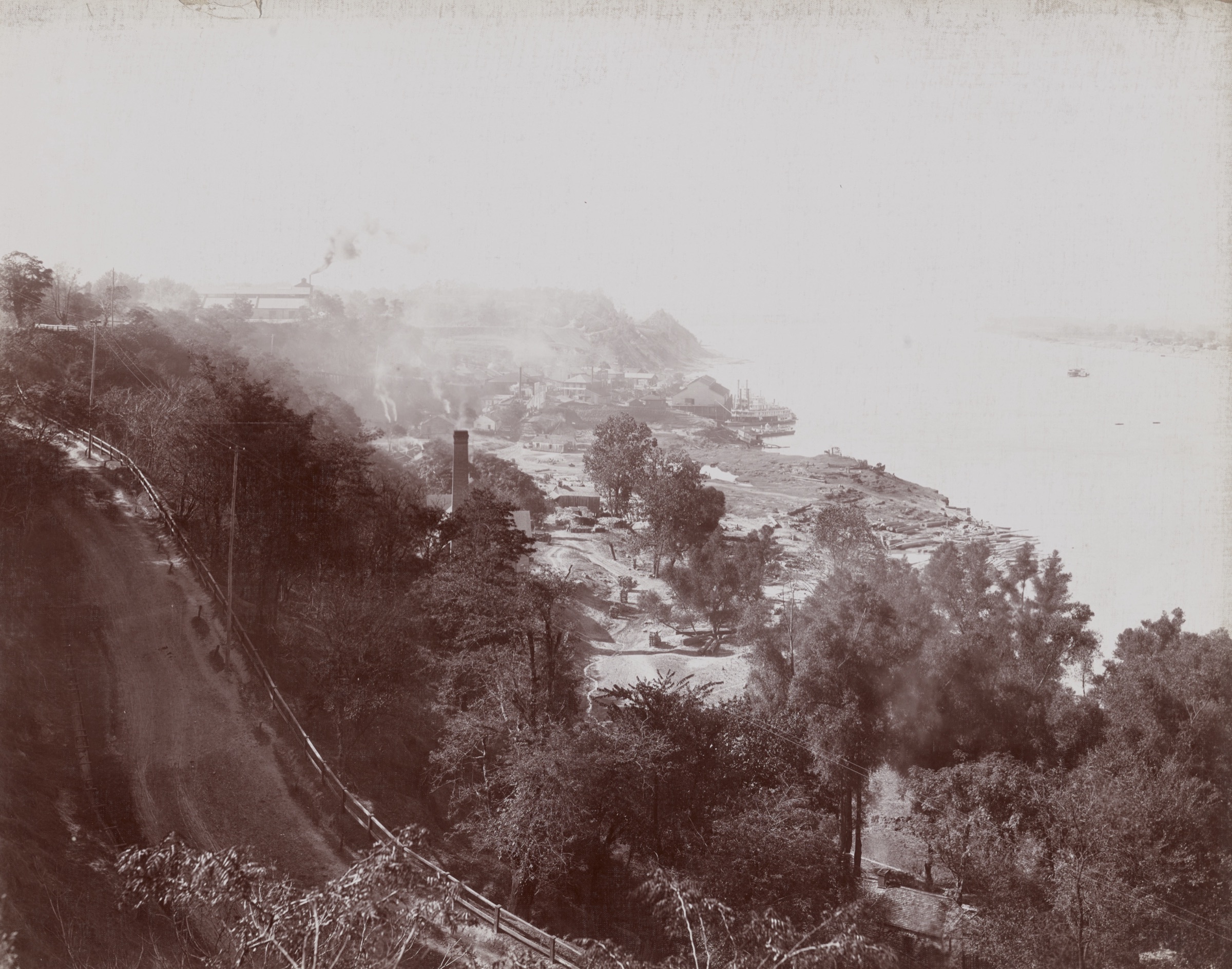

A house has to belong to someone.
For the first time, this one belongs to all of us.
Black ownership of an antebellum mansion is not symbolism. It is repair — slow, specific, structural. The Guest House is a working hotel, a restaurant, a venue. It is also a long-form act of reclamation: of land, of labor, of names.
We are not the help in this house anymore. We are the hosts — and you're invited. Our Story →

There are three reasons to come.
Birthdays. Reunions. Weekends nobody wants to end. The house was built to hold people.
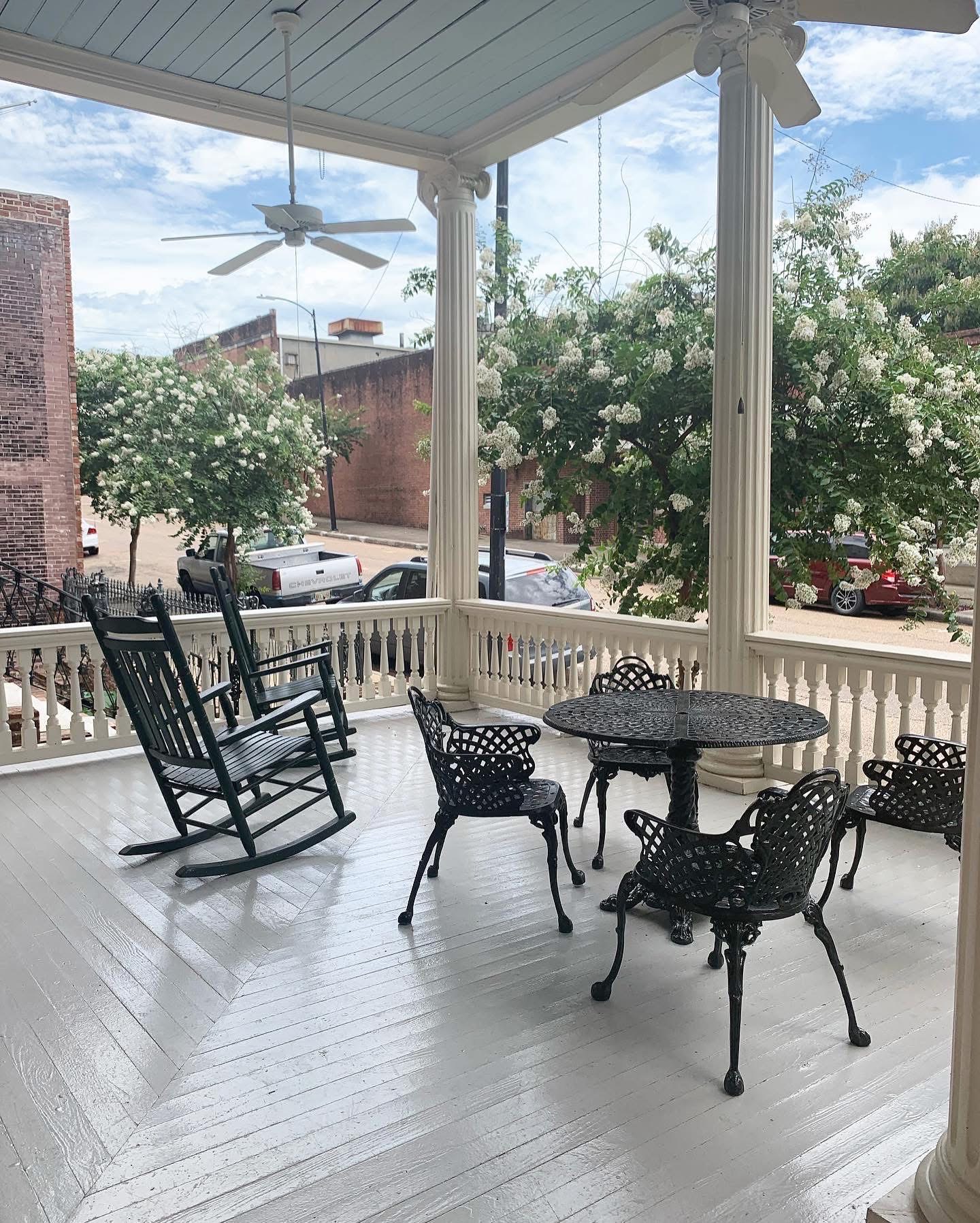
Cool linens, slow mornings, a porch that knows what it's for. The South at its most generous.
Every room is named. Every name has a story. You are sleeping inside the record.
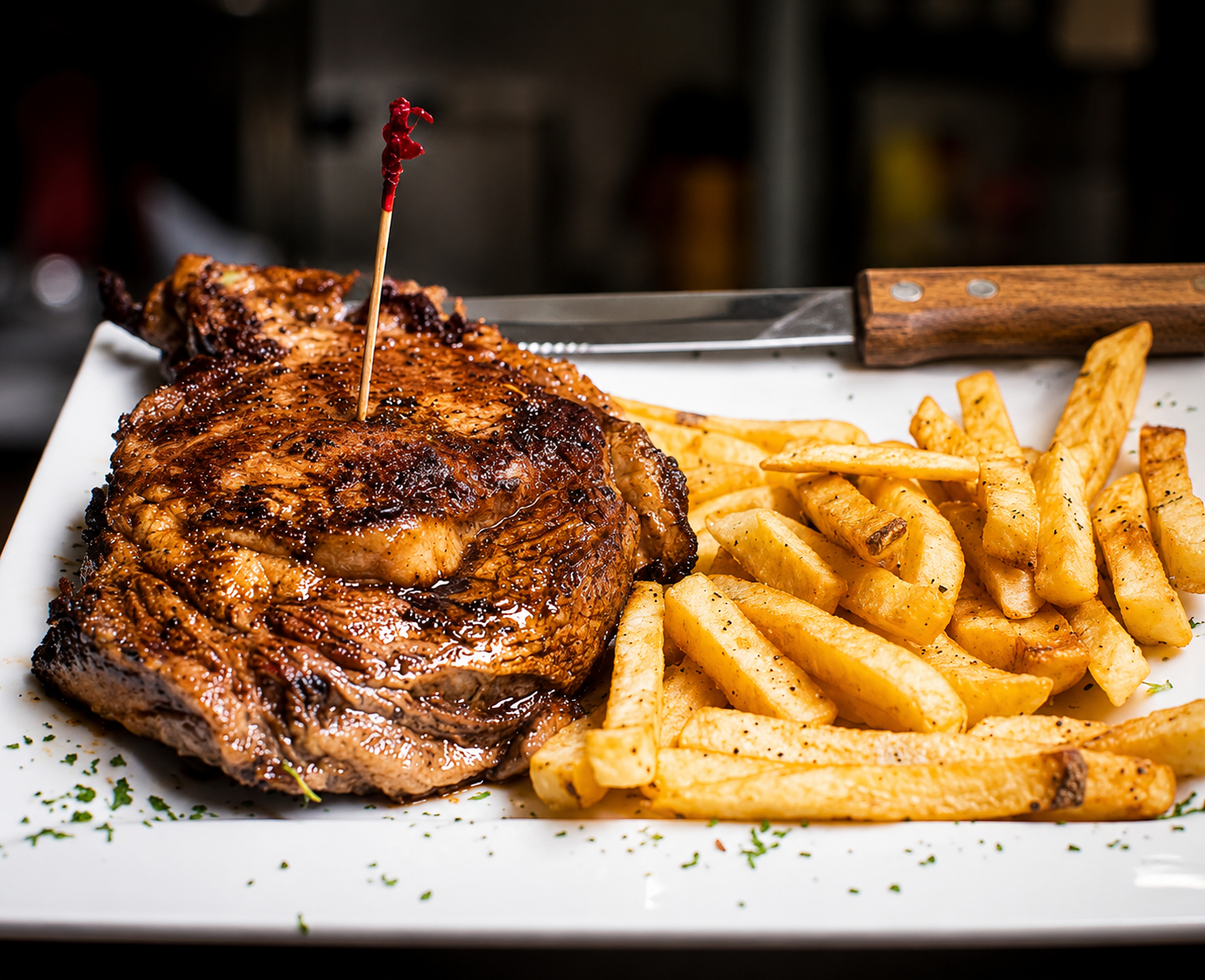
A Mediterranean kitchen in the heart of the South.
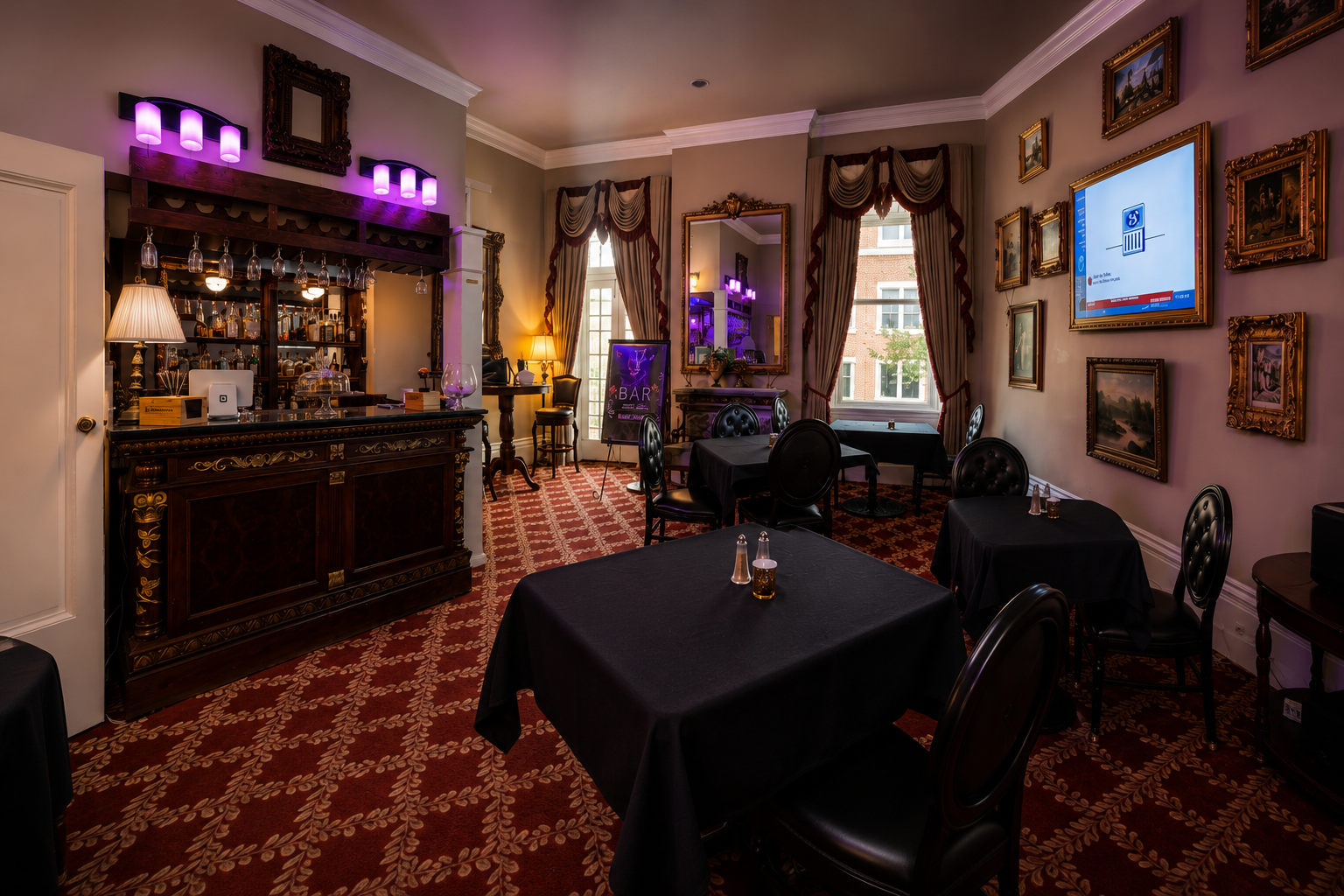
Our table is set the way Southern tables have always been set: figs and olive oil, slow lamb, brown butter and bourbon, the long pour. The Veranda bar is open under the lanterns until the last conversation is finished.
See the table →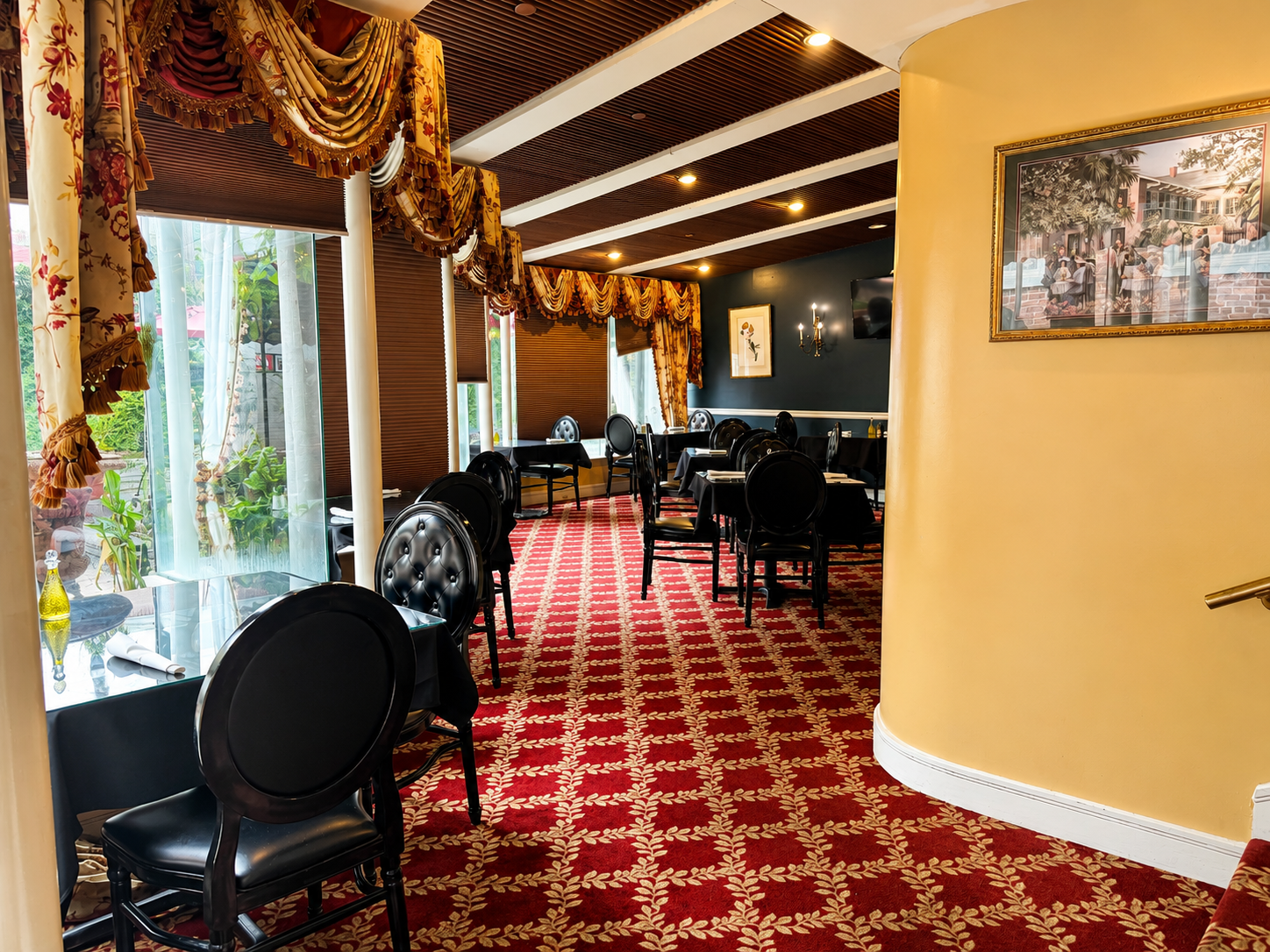
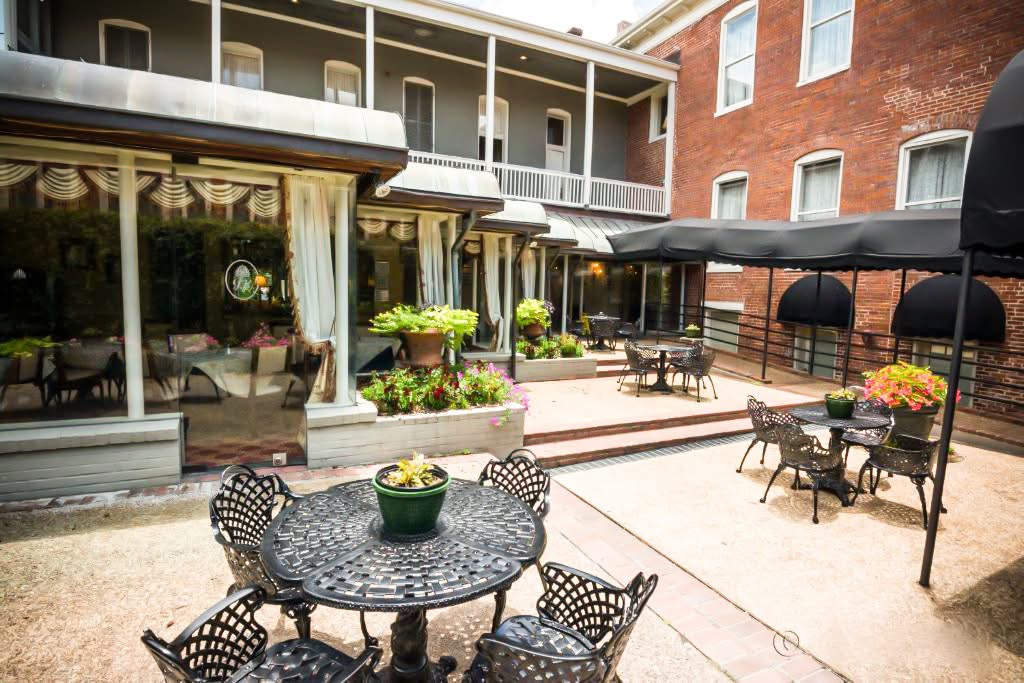
Come sit in history. Make a call to the past.
In the front hallway there is a working phone booth from 1928. Step inside, lift the receiver, and we leave you a small voice from the house — a fragment of someone who lived here, in their own words.


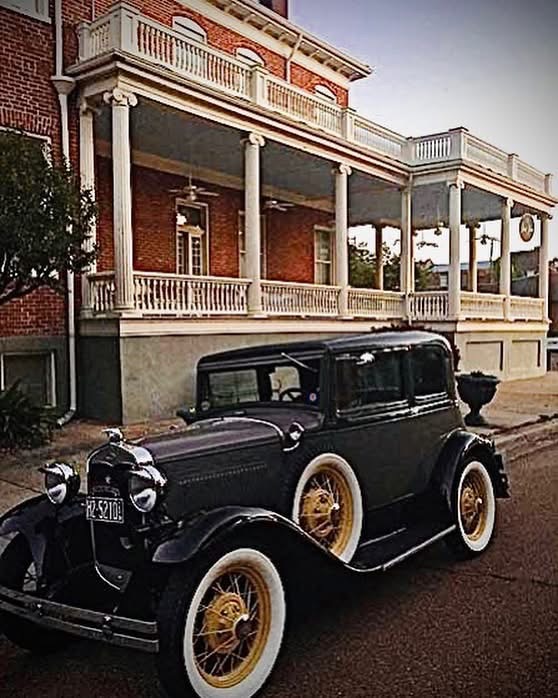
A house built for the day you'll remember.
Weddings under the oaks. Family reunions in the dining room. Birthdays in the courtyard. The house holds up to a hundred and twenty, and we have done it for decades. Tell us what you want to gather around — we'll set the table.
Host with us →
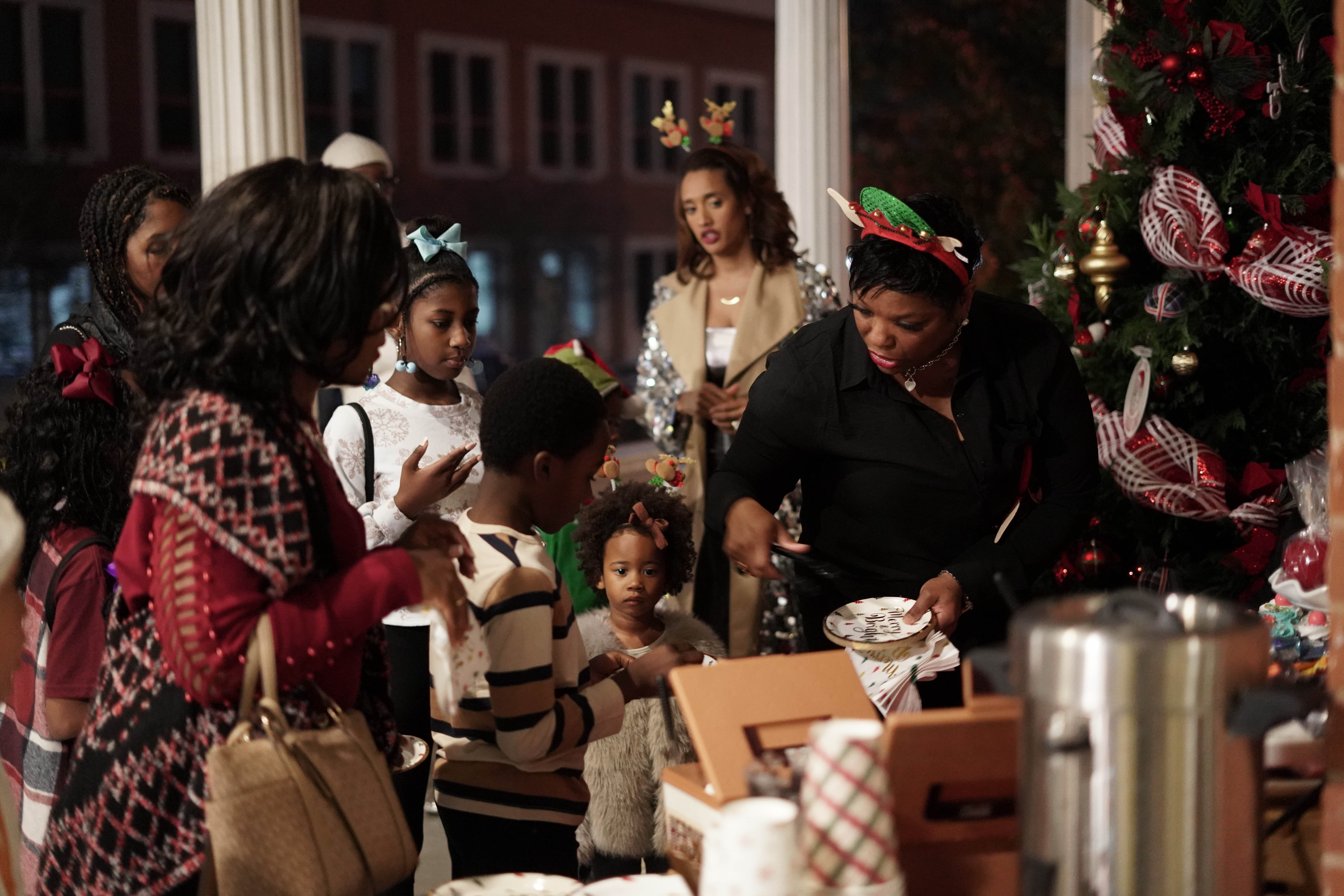
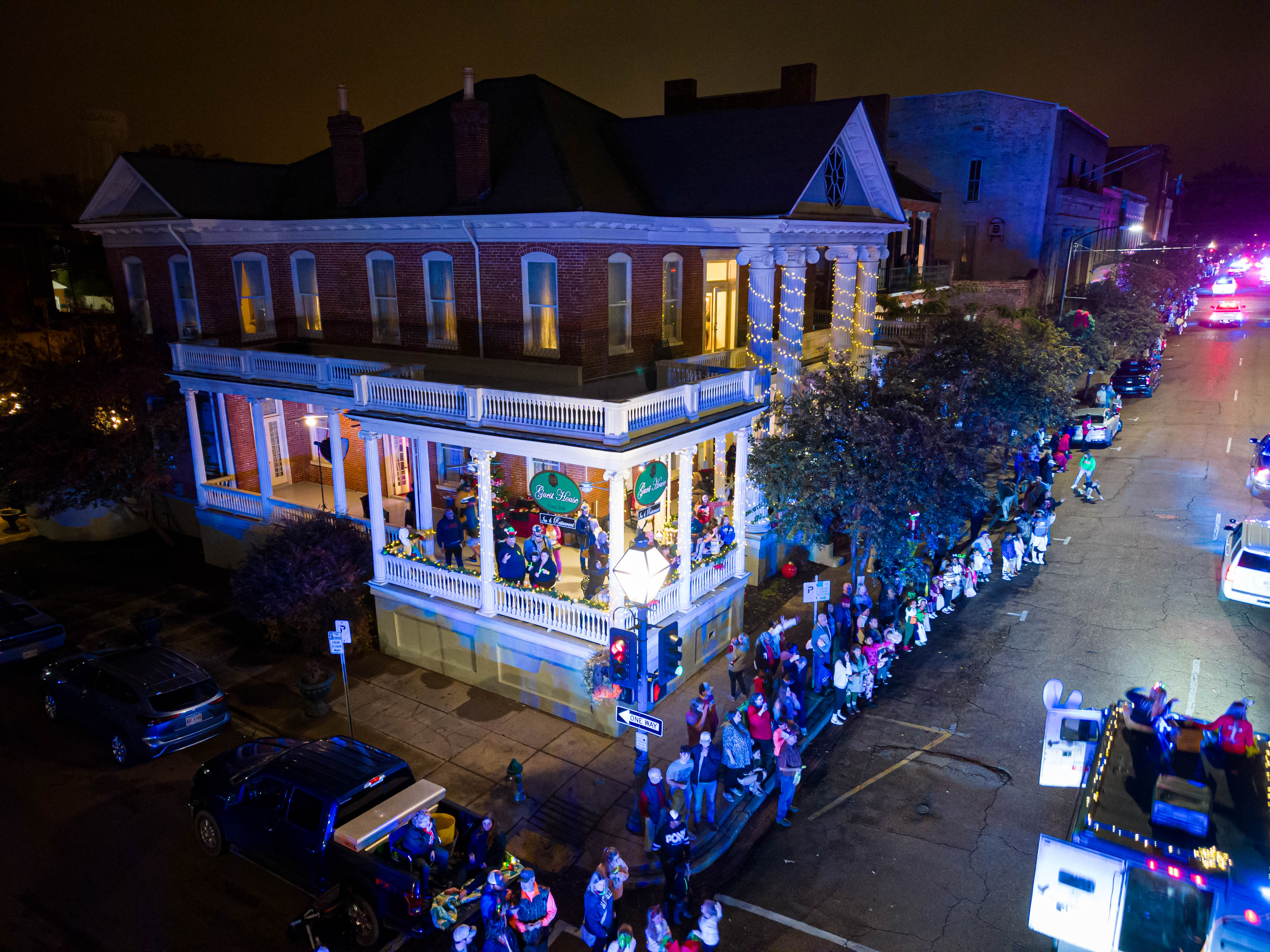
Come stay. Create history.
The Guest House isn't just a place to sleep—it's a canvas. We are building a living museum, and we invite creators to be a part of it. Through our Artist in Residency program, artists are invited to stay with us, draw inspiration from our rich, complex history, and contribute their own pieces to the mansion's ongoing story.