Natchez has more than one history.
We're not building a museum, and we are not erasing what happened in this house. We are naming it.
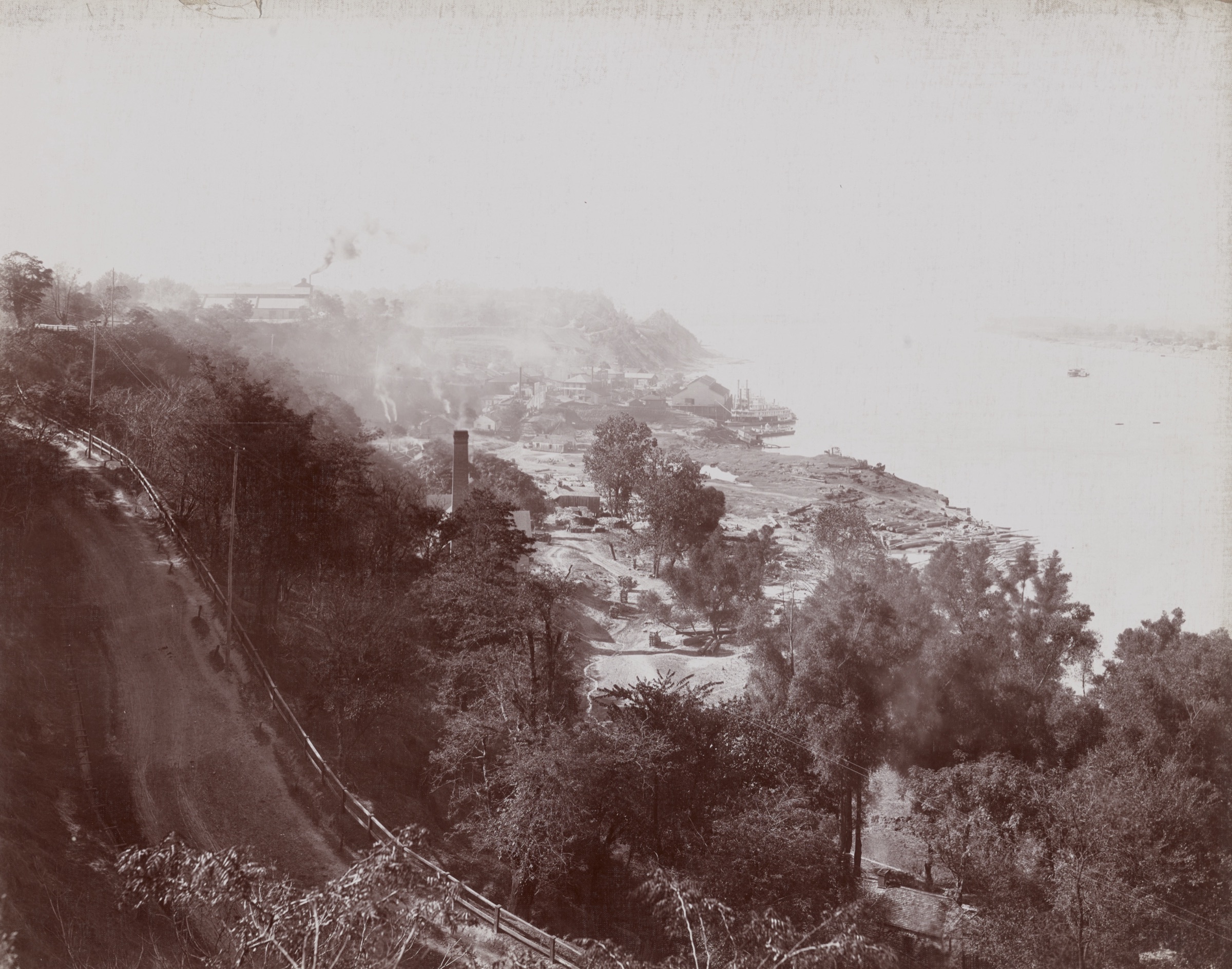
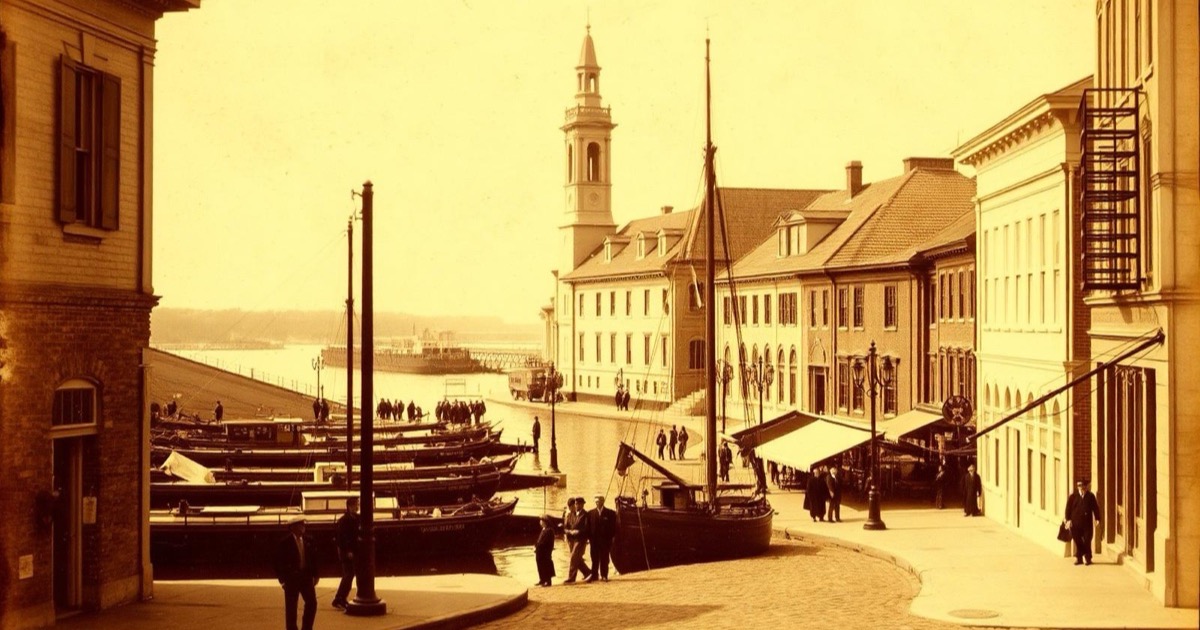
A river town, twice over.
Natchez is the oldest continuous settlement on the Mississippi River — first capital of the Mississippi Territory, founded 1798. The Natchez people lived here for centuries before European contact. By the nineteenth century the city was, depending on how the truth is told, either the wealthiest small city in America or the second-largest slave market in the antebellum South. Both are true. Both are the city we inherit.
Natchez was also a Civil Rights battleground. In August 1965, Klan members car-bombed George Metcalf, president of the Natchez NAACP, outside the Armstrong Tire plant. In February 1967, Wharlest Jackson Sr. — recently promoted to a job previously open only to white workers — was killed by a Klan bomb hidden in his truck. The community answered with armed self-defence and an economic boycott of white-owned businesses. They won. The past here is not distant. It is one generation back.
People you should know.
- William Martin
One of the carpenters and craftsmen — many of them enslaved, many freed — whose hands built this house and every other mansion Natchez would later put on a postcard. His name is on the wall of the house he built.
- Louise
Remembered only by her first name in the parish records. She cooked, cleaned, and kept houses like this one standing. These walls would not exist without her or the women like her.
- William Johnson1809–1851
Freed at sixteen. Barber. Diarist. Landowner. His diaries are among the most detailed first-person records of free Black life in the antebellum South.
- John Roy Lynch1847–1939
Born enslaved across the river. Elected to the U.S. Congress. Wrote one of the great early corrections to Reconstruction history.
- Hiram Rhodes Revels1827–1901
Pastor. Educator. The first Black U.S. Senator — sworn in to a seat once held by Jefferson Davis.
- Richard Wright1908–1960
Native Son. Black Boy. The long shadow he cast across American letters began just up the road from this house.
- Rosalie Beekman1855–1863
Seven years old. The only civilian killed in the 1863 Union bombardment of Natchez. We say her name because the cost is part of the record.
Why this one.
Natchez was, depending on who tells it, the wealthiest small city in America or the second-largest slave market in the South. Both are true. One mile from this door stood the Forks of the Road, where thousands of people were bought and sold. The cotton fortune that raised every mansion on every Natchez postcard — this one included — came from the labor of people who built this city's wealth and were given none of it.
The Guest House was built in 1840, by some of those hands.
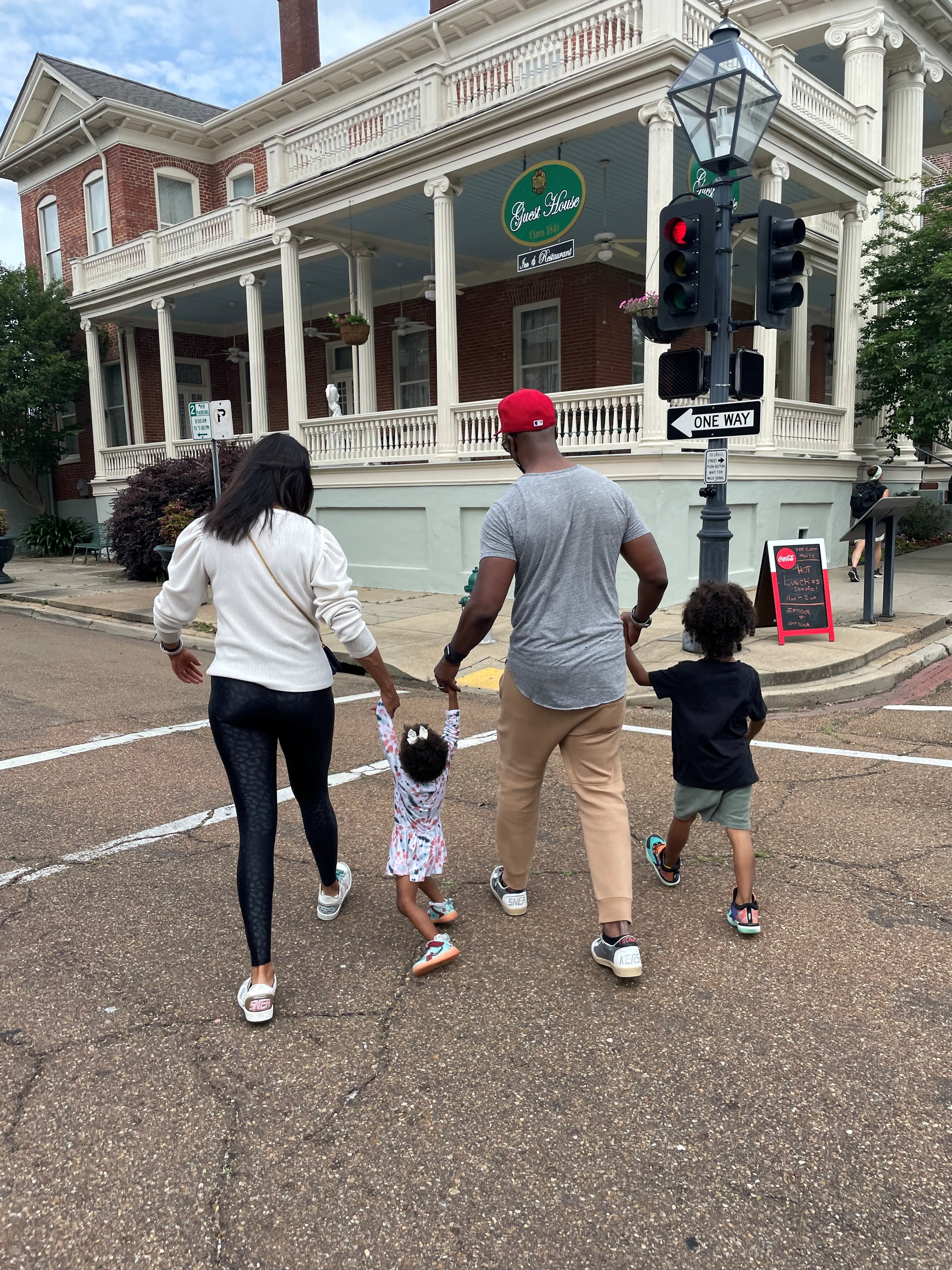
We didn't buy a modest house on a side street to make a quiet point. We walked into downtown Natchez and bought the most glorious antebellum mansion of them all — on purpose. Today, under new Black ownership, it is believed to be the largest Black-owned antebellum mansion hotel in America.
For generations, places like this told only one story. We believe they can tell a fuller one. That sentence is not the end of a story. It is the beginning of a different one.
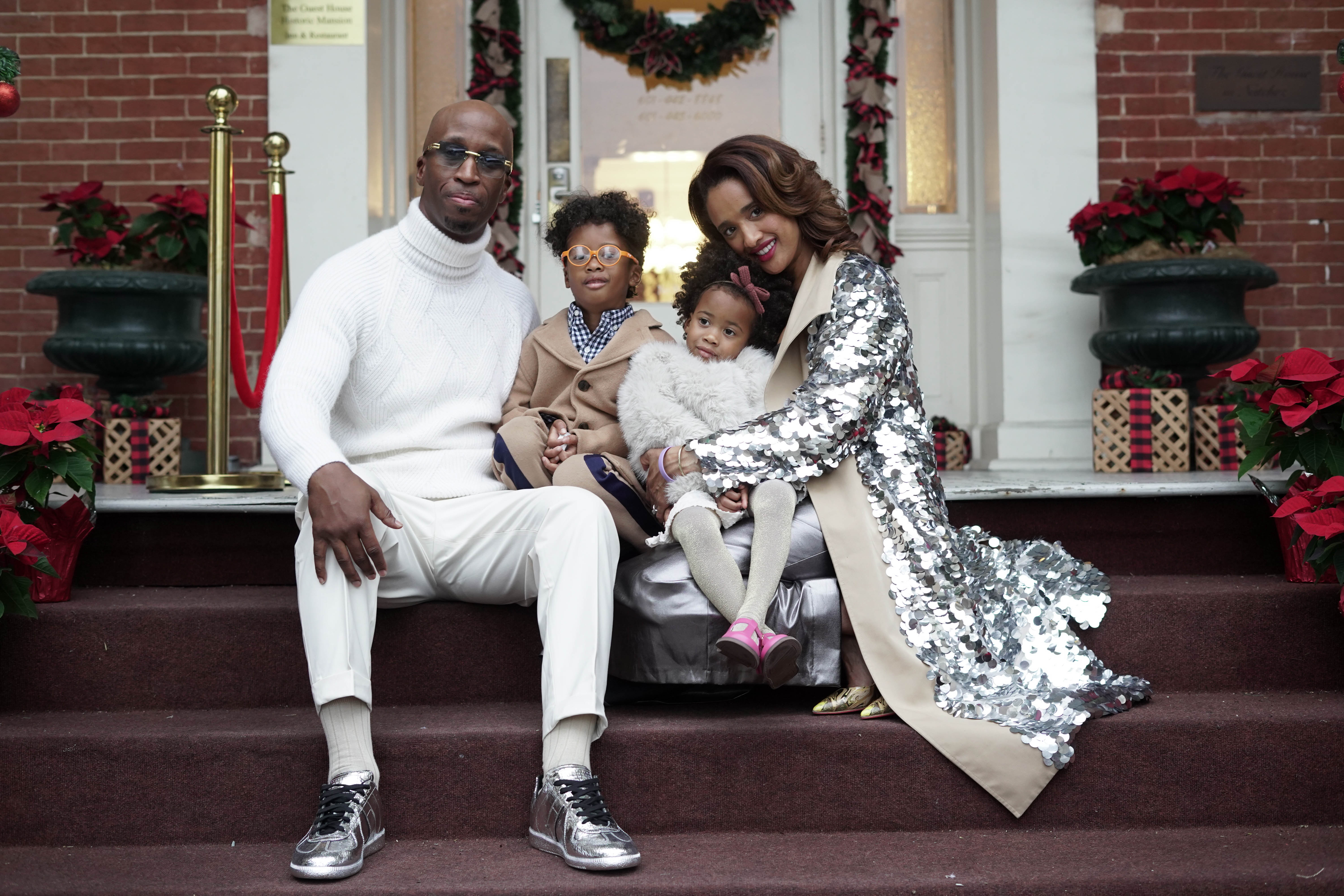
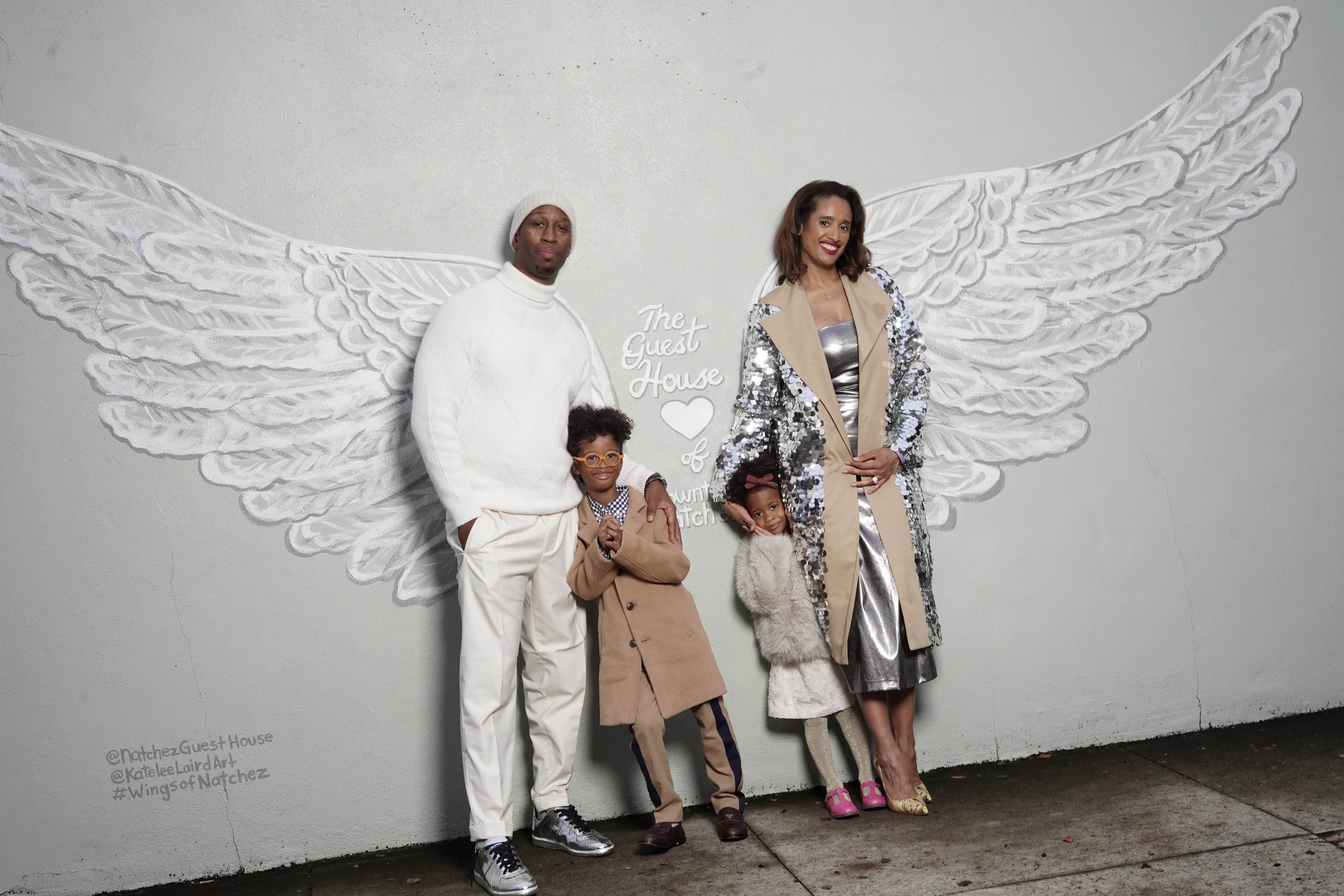
Join the Family Tree →This is our family. This is your home.
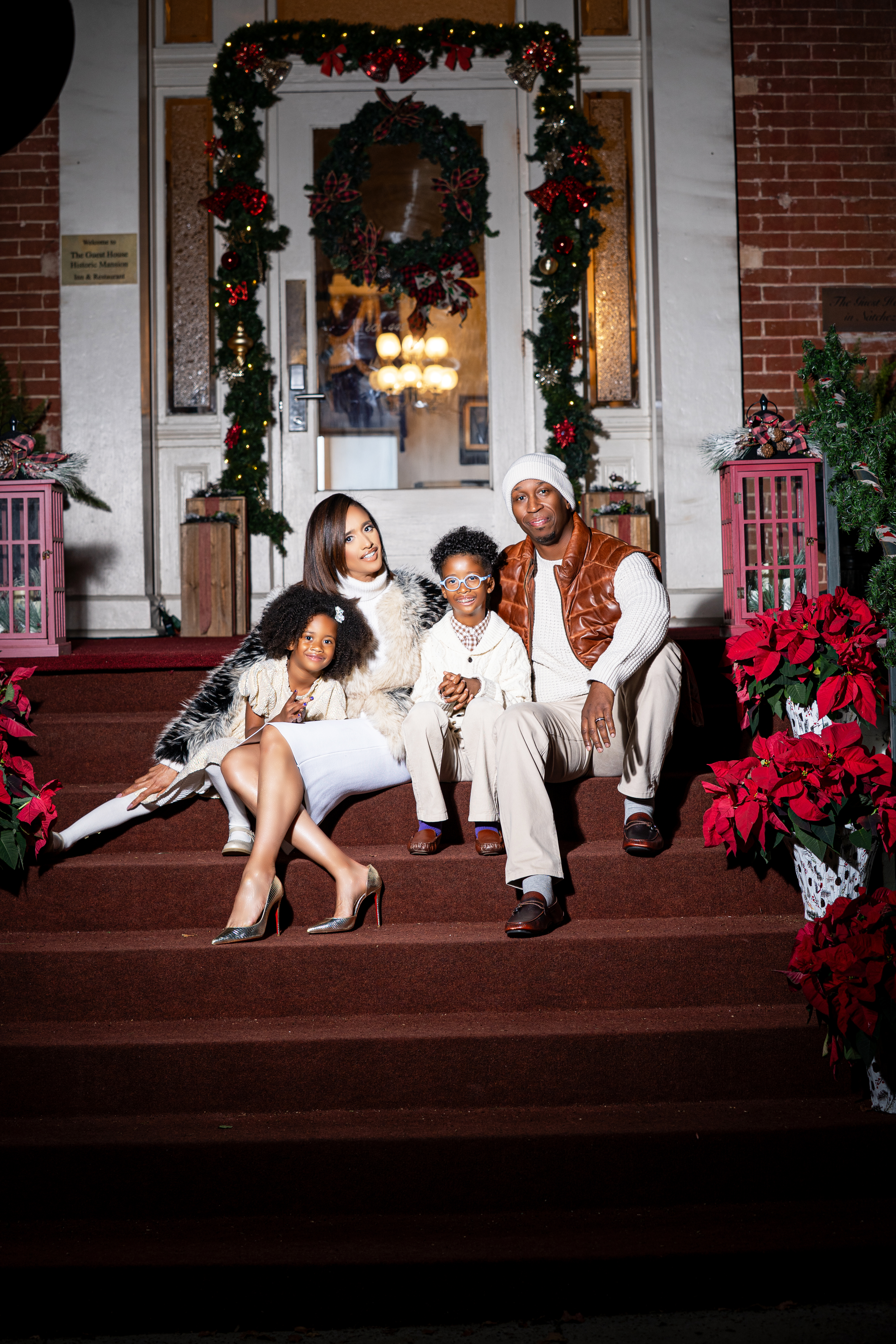
We bought this house on purpose — the most glorious antebellum mansion in downtown Natchez. Today, we are welcoming guests to stay, hosting gatherings, and building something we believe in inside it.
There's a seat at this table for you. Not as a guest, but as a part of the story.
— Michael & Tiffany Clinton, and family